The Billion-Dollar Business of Academic Publishing: Where the Money Goes
Academic publishing is often described as a business built on unpaid peer review. The reality is more complicated—and worth examining.


Independent news and analysis on research and scholarly publishing — from JCF Corp.
Academic publishing is often described as a business built on unpaid peer review. The reality is more complicated—and worth examining.
A practical guide to journal, article, author and attention metrics, the data behind them and the limits that matter.
From published reports and portable reviews to preprint assessment, reviewer credit and AI rules, peer review is diversifying faster than the evidence on it.
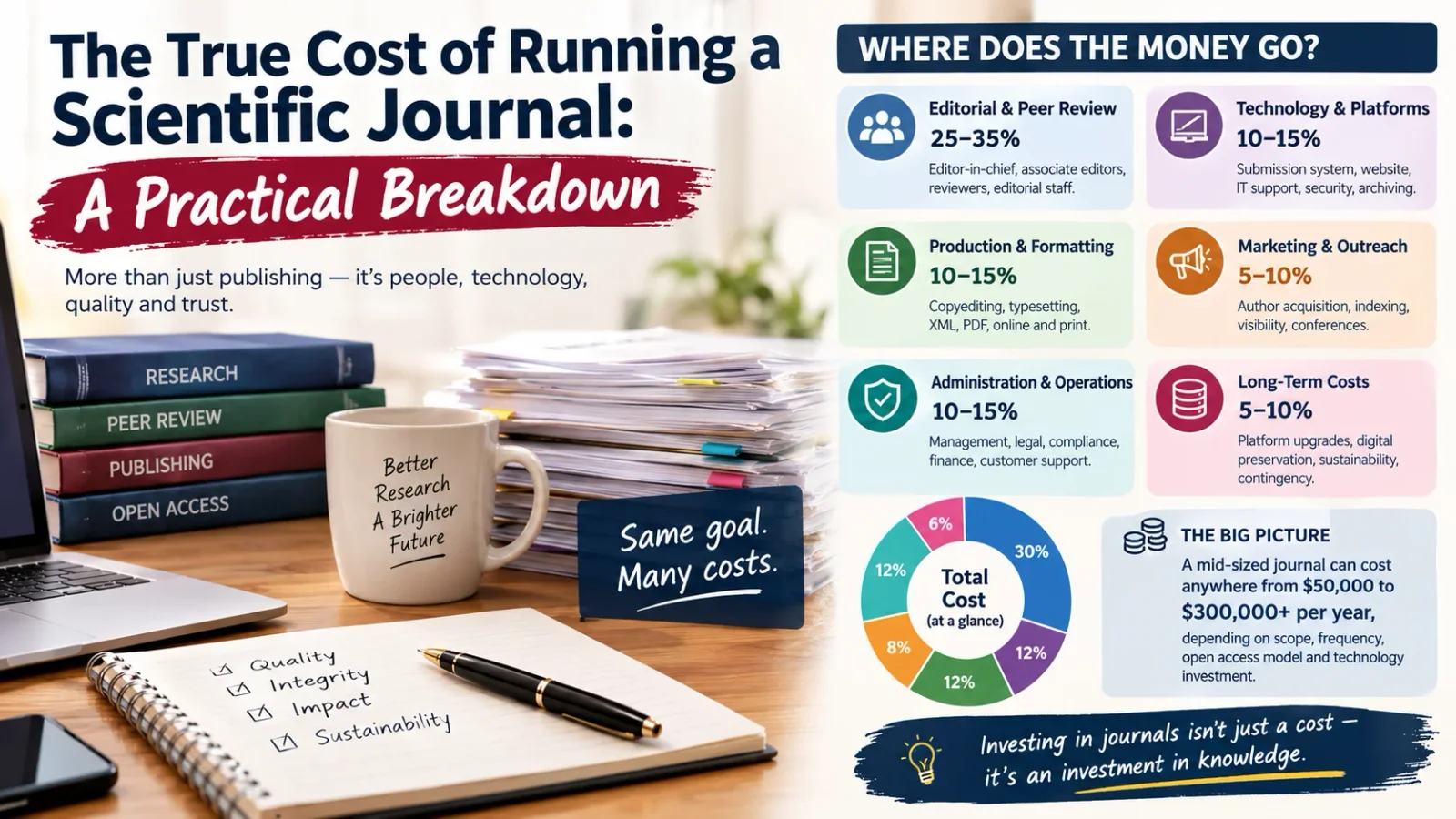
A journal can appear inexpensive to launch online. Operating it properly is a different financial question.
The person who writes a paper is not always the person who controls its final distribution. Contracts and licenses decide more than most readers realise.
The PDF is unlikely to vanish overnight. Yet the systems surrounding it—review, data, discovery and payment—are already changing.
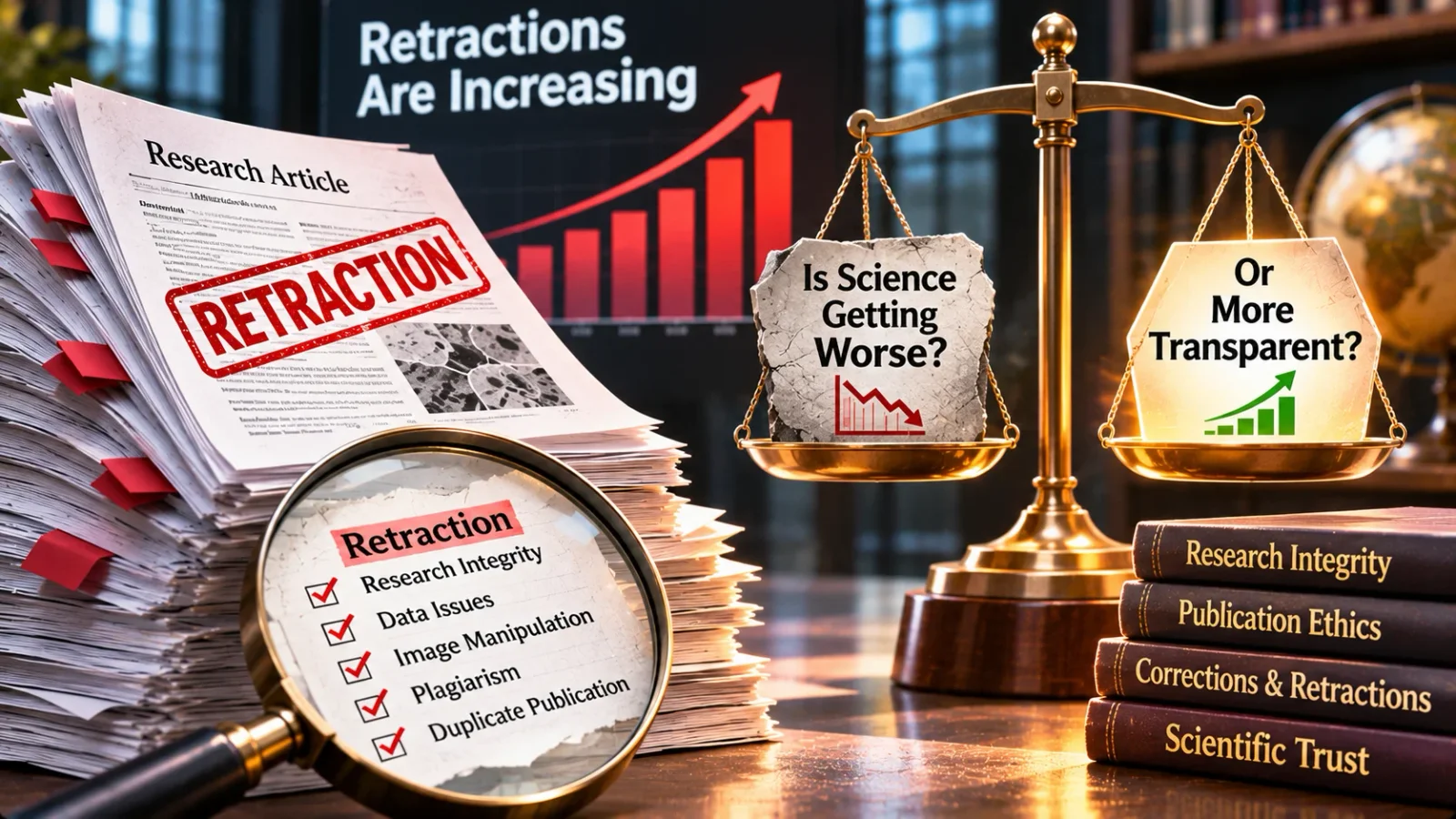
A retraction count is a warning sign, not a complete diagnosis of the scientific system. The reasons behind the numbers matter.
Automation promises faster production and fewer repetitive tasks, but the greatest expenses are not always the easiest ones to remove.
Researchers want timely decisions. Reviewers face overflowing requests. Editors sit between the two, trying to keep standards intact.
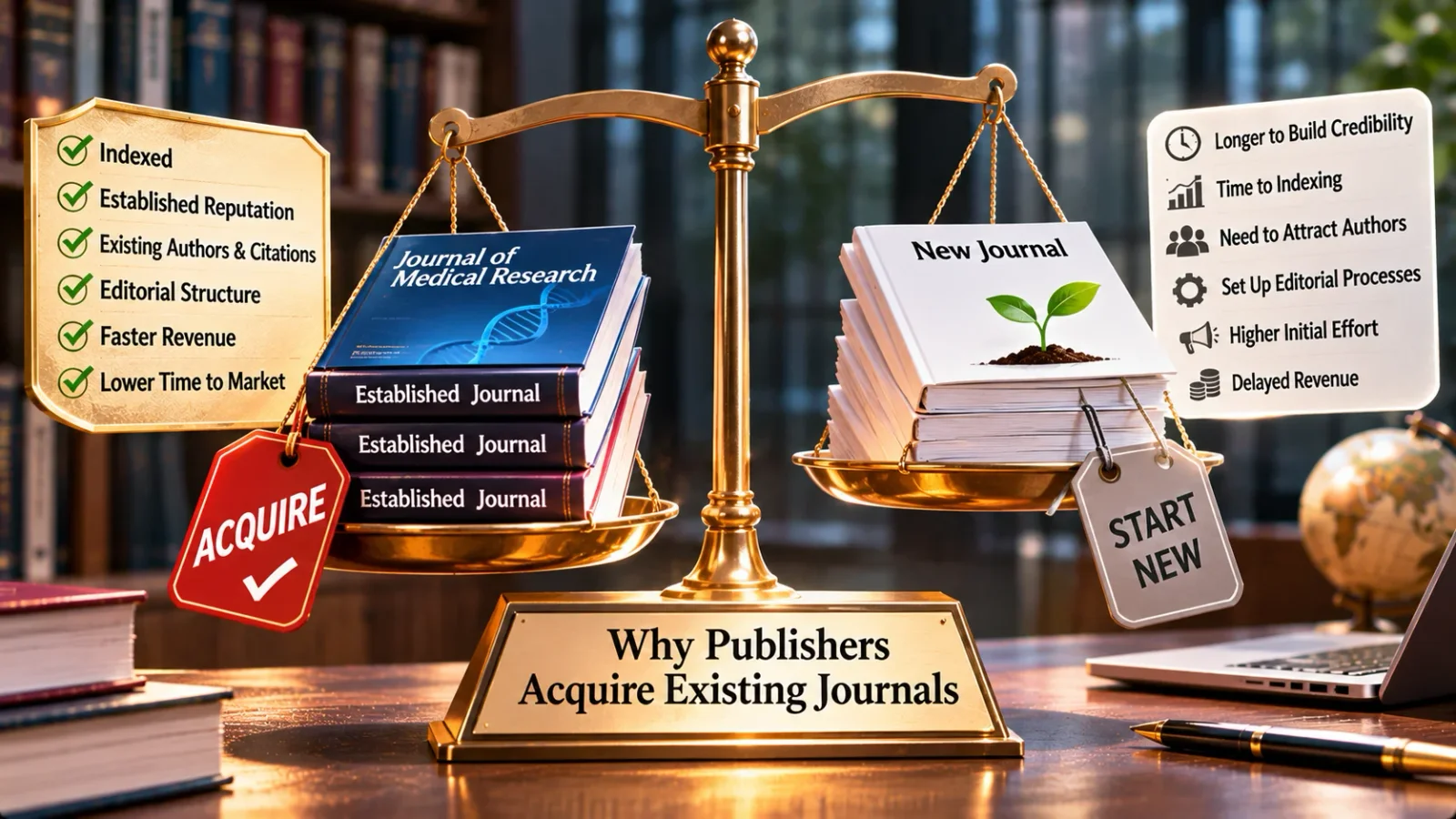
An established journal offers history and a research community, but buying a title also means inheriting its unresolved problems.
When neither readers nor authors receive an invoice, a journal still needs technology, editors and long-term funding.
2 stories
8 stories
4 stories
4 stories
5 stories
8 stories